
Frontier Violence and Dispossession
The Drover's WifeThis flow traces how colonial seizure of land and unchecked violence shape Indigenous lives, then persist in the supposedly orderly institutions of Everton.
increasing Bearing strength in each event
 decreasing
Bearing strength in each eventdecreasingCompeting Understandings
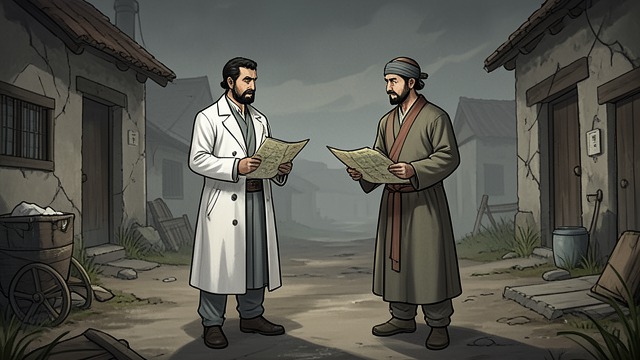
Competing Understandings
A Meeting Misread
When Charles Edwards and his party enter the high country, they depend on the Ngarigo for knowledge of the land and its hidden tracks. The two groups appear to share an appreciation of the country, but their agreement is an illusion: each interprets the encounter through incompatible ideas of ownership, authority and belonging.
The Cost of Assumption
The settlers see productive grazing country; the Ngarigo understand a living homeland shaped by ancestral knowledge and continuing obligations. The misunderstanding becomes consequential when the newcomers act as though access means possession. The narrative presents dispossession not as an accidental side effect of settlement but as a process beginning in unequal interpretations that the settlers never bother to correct.
Violence Behind Settlement
Violence Behind Settlement
Private Crimes
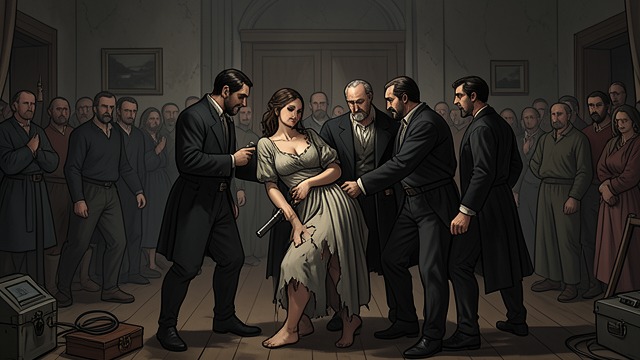
The account of the Edwards party’s encounter with the Ngarigo exposes what polite histories of settlement conceal. Charles Edwards and other white men sexually assault Ngarigo women, using weapons and threats to enforce silence. Their violence is not an isolated breach of an otherwise peaceful relationship: it is enabled by their confidence that the women’s consent and safety do not matter.
Public Consequences
The assaults provoke anger among the Ngarigo, while the perpetrators leave without facing consequences. The narrative connects intimate violence to the larger seizure of country: men who expect to command women also expect to command land. Their impunity helps establish a frontier order in which white power is treated as legitimate and Indigenous resistance is later recast as the source of disorder.
Dispersal Made Policy
Dispersal Made Policy
A Settler Program
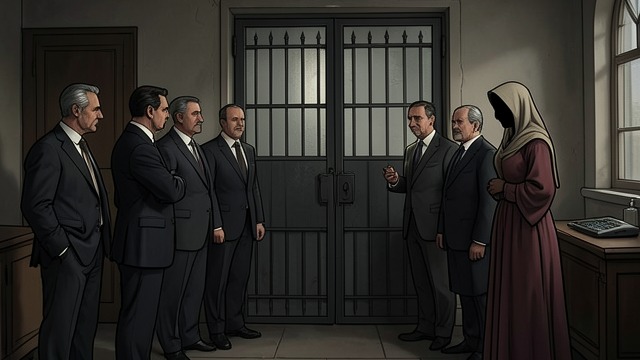
As more white settlers arrive, the Ngarigo and neighbouring peoples are pushed from their homelands and prevented from moving with seasonal change. District meetings turn this pressure into policy: officials and landholders describe Indigenous people as obstacles to progress and call for their removal. The language of administration makes coercion sound like practical management.
Violence as Permission
The text makes explicit that settlers understand themselves to have permission to shoot Aboriginal people on sight. That permission collapses the distinction between formal law and frontier violence: people can be hunted without meaningful protection, while the taking of land is presented as national advancement. Everton’s later institutions grow out of this order rather than replacing it.
A Massacre Remembered
A Massacre Remembered
Retaliation and Escalation
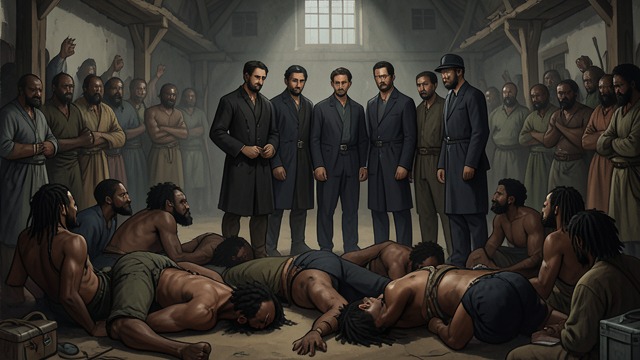
After members of the Ginginbarra people are implicated in a violent conflict that kills settlers, thirteen-year-old Robert Parsen joins Gregory Blaxland and a vigilante group in an attack on sleeping people. The account describes a planned slaughter, including those trying to escape through the river. Parsen’s mother had been killed in crossfire, yet his retaliation targets an entire community.
The Story Parsen Keeps
Parsen grows into a man who treats the massacre as justification for a permanent racial vendetta. His personal grief hardens into collective blame, while the violence inflicted on Indigenous people disappears behind his claim of revenge. His history shows how frontier atrocities are reproduced: survivors and witnesses carry forward a version of events that excuses the powerful and makes further brutality seem deserved.
The Fugitive Label
The Fugitive Label
Resistance Becomes Evidence
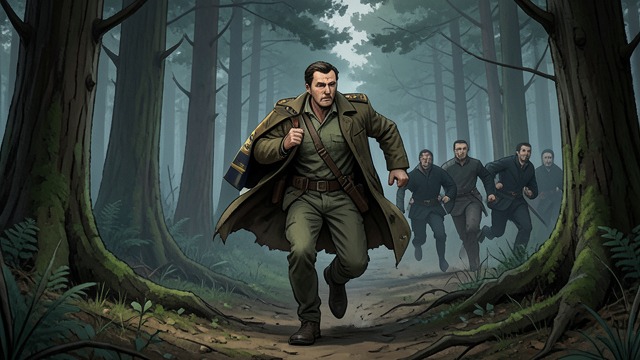
Yadaka flees an escort and kills two officers while resisting a system he believes will not give him a fair trial. He is wounded, collared and forced to travel in clothing marked as government property. His desperate escape is treated by the authorities as proof of criminality, even though the official account does not reckon honestly with the conditions that made escape a matter of survival.
A Convenient Suspect
After the Edwards family is murdered, a swagman’s story and a wanted portrait help turn Yadaka into the district’s ready-made culprit. Racial prejudice supplies the explanation before evidence does: the “black” man is presumed capable of any violence against white people. The novel exposes a justice system that recognizes Indigenous people most readily as suspects, fugitives or property, not as people entitled to protection.
Country Beyond the Frontier
Country Beyond the Frontier
A Dangerous Refuge
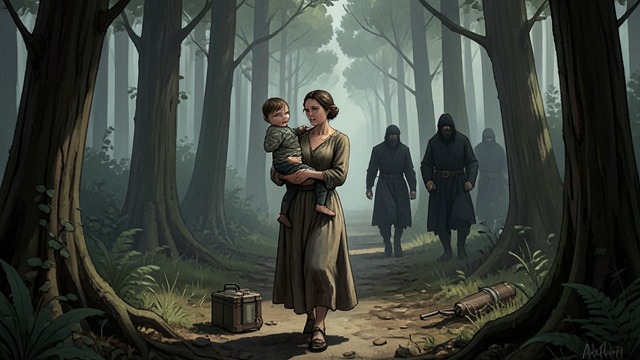
When threatened with the removal of her children, Molly leaves Everton and follows Yadaka’s directions toward shelter in the mountains. The journey is perilous, but it offers an alternative to institutions that classify her children by ancestry and claim authority over their future. The country is not empty wilderness; it carries routes, knowledge and relationships that make refuge possible.
Continuity After Flight
In the epilogue, Danny’s family lives on the land and carries inherited cultural knowledge forward. This future does not undo dispossession or the deaths that preceded it, but it refuses the colonial story that Indigenous presence must end. The mountains become more than a setting for violence: they remain a place of family, memory and cultural survival.
1820s, during the Edwards party’s first journey into the high country
During the Edwards party’s first stay in the high country, in the 1820s
After increasing settlement and fencing in the alpine country
1849, at Bingera on the Burnett River
1893, after Yadaka escapes custody and reaches the Snowy Mountains
The final winter of 1893 and the return to the mountains years later
